


case study
How Sedin Built a Smarter B2B Commerce Experience for Fersa
A headless eCommerce transformation that brought greater flexibility to Fersa’s multi-brand operations, complex product catalog, and B2B buying experience.


A leading European bearing manufacturer with over 50 years in the industry, undergoing a full digital transformation to support rapid multi-brand growth. Sedin helped Fersa build a more flexible B2B commerce foundation to support its multi-brand operations, complex product ecosystem, and evolving digital buying experience.
About
- Client: Fersa
- Industry: Manufacturing / Industrial (Bearings)
- Location: Europe
Scope of work
- Headless commerce architecture spanning storefront, CMS, and commerce layers
- Multi-brand storefront design system
- PIM and ERP data synchronization
- CPQ, tiered pricing, and personalized customer profiles
- Advanced search, analytics, and order management features
Tech stack
- Next.js (Storefront)
- Strapi (Headless CMS)
- Adobe Commerce / Magento (Commerce Layer)
- Algolia Search
- Custom API integrations (ERP/PIM)
Fersa’s Complex B2B Ecosystem Needed More Flexibility
Fersa’s growth through acquisition had outpaced its systems, with multiple brands, a sprawling product catalog, and disconnected backend systems limiting a consistent, scalable buying experience.
- Multi-brand growth required a commerce architecture built for flexibility.
- ERP and PIM data needed reliable synchronization with commerce systems.
- Customer-specific pricing and regional rules made buying experiences more complex.
- Multiple markets required flexible storefronts, content, search, and access experiences.
A Headless Architecture Built for Fersa’s Next Stage of Growth
Sedin separated the storefront, content, and commerce layers so Fersa could add brands, tailor regional experiences, and evolve its B2B buying journey without rebuilding the entire commerce stack.
A shared design system and reusable Next.js components made it easier to create distinct storefront experiences across brands while keeping the underlying commerce stack unified.
Strapi gave marketing teams more control over regional content, while Adobe Commerce handled complex B2B pricing, catalogs, customer rules, and transactions independently.
Custom integrations connected ERP, PIM, and commerce data, while customer-specific pricing, geo-based access, advanced search, RFQs, and bulk ordering supported more tailored buying journeys.
The Process
STEP
01
Validated the architecture
Tested the proposed headless setup through a proof of concept to validate key systems and workflows.
02
Built the multi-brand storefront
Developed a modular Next.js frontend with reusable components and a shared design system for different brand experiences.
03
Connected the commerce ecosystem
Integrated Strapi, Adobe Commerce, ERP, and PIM through custom APIs to synchronize core business data.
04
Improved product discovery and data flow
Added Algolia search, custom product filters, caching, and real-time update mechanisms for large and complex catalogs.
05
Added B2B personalization
Implemented customer-specific pricing, geo-based access, tiered customer portals, RFQs, and personalized product experiences.
06
Streamlined complex ordering
Added Excel-based order uploads, smarter stock rules, simplified checkout, and flexible payment options for B2B customers.
Scaled B2B Commerce Across Brands and Markets
+
Enabled multi-brand commerce
Built a shared headless foundation that supports distinct brand and regional storefront experiences.
+
Connected the commerce ecosystem
Brought ERP, PIM, and Adobe Commerce together to manage customer, product, pricing, inventory, and order data across the ecosystem.
+
Made complex B2B buying easier to manage
Added personalized pricing, advanced search, customer portals, RFQs, bulk ordering, and geo-based experiences to support different customer needs.
The Bottom Line
Sedin helped Fersa create a B2B commerce experience that could keep pace with its multi-brand growth and complex customer needs. The new architecture made it easier to manage products, pricing, content, and customer experiences across markets while giving Fersa a stronger foundation for future expansion.
Featured projects
View all

CPG
A mobile-first rebuild with real-time pricing, multi-state compliance, and automation-ready foundations.
Energy10 days mobile MVP shipped
40% mobile traffic served
0 manual pricing uploads
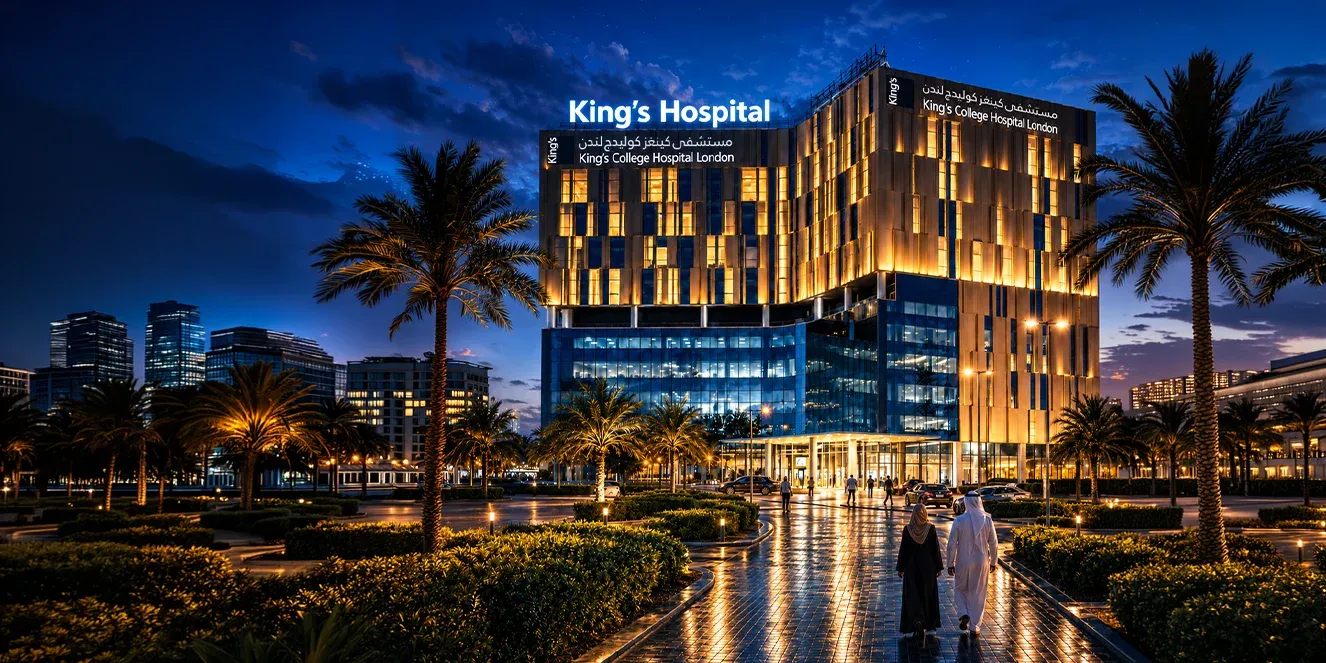

King's College Hospital
Replaced King's College Hospital's legacy EHR registration workflow with a lightweight, modular web platform, improving patient registration, reducing costs, and enabling future-ready compliance.
HealthcareFHIR R4 React frontend on FHIR R4 APIs
2 clicks real-time validation and two-click scheduling
Any device runs on desktop, tablet, mobile, and browser


Clinical Minds
A scalable Selenium + Cucumber framework, integrated into CI/CD.
Healthcare1,000+ test cases created
80% E2E UI automation
75% test cases automated